A Guide to Evaluating the CODISSEY Company Presentation Template
In the business world, a company presentation is often the primary point of contact with potential clients, investors, and partners. The visual and structural quality of this presentation can significantly influence perceptions of professionalism and credibility. For individuals tasked with creating these critical documents, selecting the right template is a foundational decision. The CODISSEY Company Presentation Template is one option designed to meet this need. This article provides an objective evaluation of its features, potential benefits, and considerations to help professionals determine if it aligns with their specific requirements.
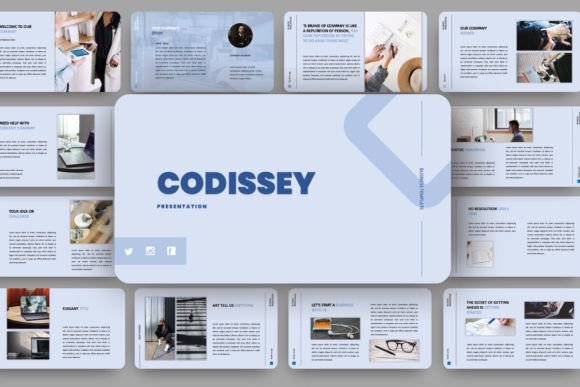
The CODISSEY Company Presentation Template is a PowerPoint template suite intended for creating corporate and business presentations. It is marketed as a tool to craft visually cohesive and impactful slides. The core offering includes a set of pre-designed slides with a focus on modern aesthetics and corporate alignment. Understanding what the template includes, and what it does not, is essential for making an informed selection.
Core Features and Functionality
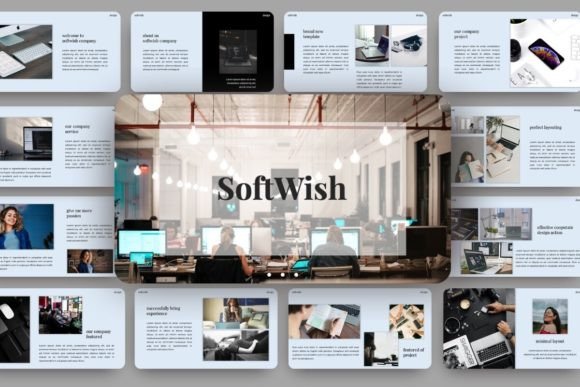
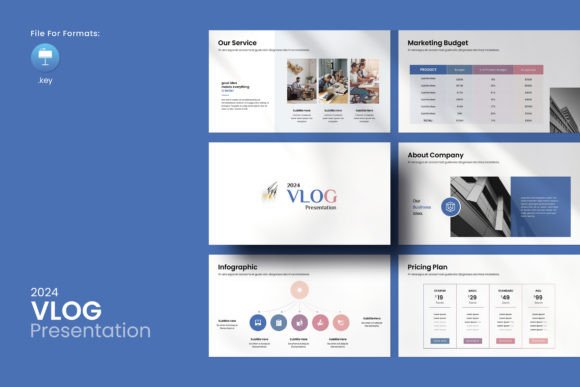
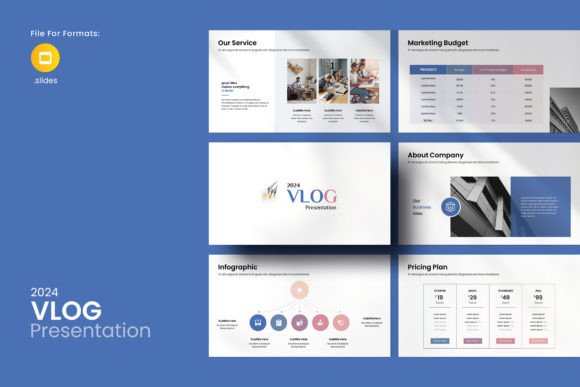
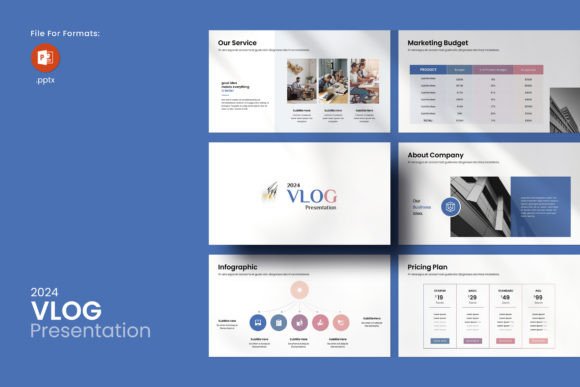
The template's structure is built around several advertised key features. Typically, it provides 25 editable slides covering common business presentation sections such as company overview, team introductions, product or service showcases, market analysis, and financial data. The design emphasizes a modern and versatile layout, suggesting adaptability to various brand identities. A defined corporate color scheme is integrated to promote visual consistency. Additionally, the template includes slides dedicated to infographics and data presentation, aiming to simplify complex information. Finally, it is described as user-friendly and fully compatible with PowerPoint, implying that advanced design skills are not necessary for customization.
Potential Benefits and Value Proposition
For professionals evaluating presentation tools, the potential benefits of using a template like CODISSEY are tied to efficiency, consistency, and perceived quality. A primary advantage is time savings. Starting with a pre-structured set of slides can drastically reduce the time spent on layout and basic design from scratch, allowing the creator to focus more on content and messaging. The predefined color scheme and design consistency can help maintain a professional brand image throughout the presentation, which is crucial for establishing trust and authority with an audience.
The included data visualization slides can be particularly valuable for those who regularly need to present metrics, growth trends, or financial reports. Having a clear, designed starting point for infographics may improve the clarity and audience comprehension of complex data compared to rudimentary charts created manually. For individuals or teams with limited graphic design expertise or resources, such a template can elevate the visual standard of their presentations beyond basic PowerPoint defaults.
Trade-offs and Important Considerations
While templates offer conveniences, they also come with inherent trade-offs. The most significant consideration is the balance between customization and conformity. Using a pre-designed template means your presentation will inherently share a structural and visual foundation with every other user of that template. While colors and images can be changed, the underlying layout, graphic elements, and flow are fixed. This can lead to presentations that feel generic if not sufficiently personalized with unique content and branding elements.
The "modern and versatile" design claim requires scrutiny. Design trends change, and a template's modernity is subjective and time-bound. Evaluators should examine the actual sample slides to see if the aesthetic aligns with their company's brand voice—whether it is suitably conservative, innovative, or bold. Furthermore, "user-friendly" is relative. While it may not require design expertise, effectively altering master slides, complex graphic objects, or color themes in PowerPoint still demands a moderate level of software proficiency.
Another practical consideration is scope. A 25-slide template may be comprehensive for many standard presentations, but for highly specialized needs—such as deep technical workshops, extensive investor roadshows, or academic conferences—it may lack specific slide types, requiring the creator to build additional slides outside the template's framework, potentially breaking visual continuity.
Situations Where This Template May Be a Strong Fit
The CODISSEY Company Presentation Template could be a appropriate solution in several common scenarios. It is likely a strong fit for small to medium-sized businesses or startup teams that need to produce polished, investor-ready pitch decks or client proposals quickly without a dedicated design department. Corporate employees in roles like marketing, sales, or business development who are required to produce frequent, brand-consistent presentations for internal or external audiences may also find it efficient.
It is also suitable for consultants or freelancers who present their services to corporate clients, as the template's corporate aesthetic can help mirror the professional environment of their audience. In situations where the presentation's goal is to convey clear, data-driven narratives—such as quarterly business reviews or project status updates—the dedicated data slides could provide a valuable starting point.
When Alternatives Might Be Worth Considering
There are situations where professionals might seek alternatives to a pre-packaged template like CODISSEY. If a company possesses a strong, unique brand identity with very specific visual guidelines, a custom-designed template created by a graphic designer would ensure a perfect fit and total originality, albeit at a higher cost and time investment. For presentations that are highly interactive, animated, or require non-linear storytelling, advanced PowerPoint skills or different software (or dedicated presentation platforms) might be necessary.
Individuals or organizations that require extreme flexibility and frequently deviate from standard presentation structures might find a minimal, blank-slate approach combined with a company style guide more freeing than a fixed template. Furthermore, if the primary need is for stunning, cutting-edge visual design that acts as a central artistic element of the pitch, premium or niche design-market templates or services might offer more avant-garde options.
Practical Decision-Making Insights
To determine if the CODISSEY Company Presentation Template aligns with your needs, conduct a practical assessment. First, audit your past presentations. What slide types do you use most? Does the 25-slide structure cover them? Second, evaluate your brand's visual identity. Can the template's color scheme and design elements be adapted to match your logos, fonts, and brand colors without clashing? Third, honestly assess your team's PowerPoint skill level. Can they comfortably edit master slides and replace graphic elements?
A crucial step is to compare the actual output. Create a test presentation using a single key slide from the template with your content. Does it look professional and meet your quality threshold? Finally, consider the cost-benefit ratio relative to other options, including free templates, other premium templates, or custom design. The decision should hinge on whether the template solves your specific pain points—namely saving time while achieving a consistent, professional look—without introducing limitations that hinder your communication goals.
In summary, the CODISSEY Company Presentation Template is a tool designed to streamline the creation of business presentations with a focus on corporate design and data clarity. Its value is most apparent for professionals seeking efficiency and visual consistency without deep design resources. However, its use involves accepting a predefined structure and requires a critical evaluation to ensure its design language and functional scope match your unique requirements. By carefully weighing its features against your actual presentation needs, brand constraints, and technical capabilities, you can make a reasoned decision on whether it is the right foundation for your business storytelling.