Contactless Payments: Your Guide to Tap, Pay, and Thrive
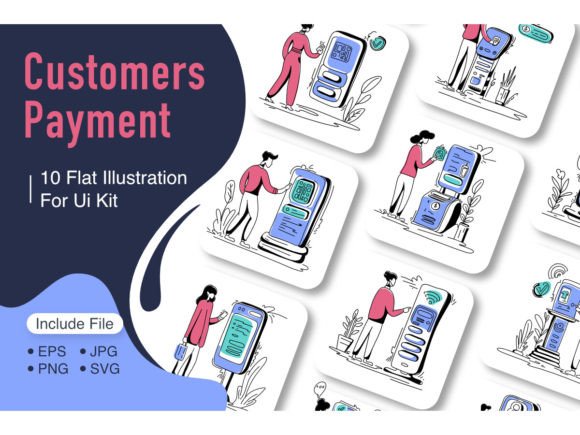
The sight of a customer tapping a smartphone or card over a terminal has become a daily ritual. For many, the phrase Customers Using Contactless Payments conjures that simple, modern image. It’s a powerful visual shorthand for speed, convenience, and technological progress, often used in infographics to make the concept instantly clear. But behind that clean illustration lies a nuanced reality of choices, habits, and potential pitfalls that can make or break your experience.
The Appeal and the Assumption
People are drawn to contactless payment for obvious reasons: it’s fast, reduces physical contact, and streamlines transactions. Whether you’re a consumer wanting to skip the fumbling for cash, a business owner aiming to speed up checkout lines, or a marketer analyzing spending trends, the efficiency is undeniable. However, a common mistake is viewing it as a monolithic, foolproof system. It’s not just “tapping.” It encompasses various technologies (NFC, QR codes, digital wallets), different devices (smartphones, smartwatches, specific cards), and a landscape of varying merchant acceptance and bank policies.
Overlooking Security Fundamentals
A frequent misunderstanding is equating “contactless” with “less secure.” Some users tap without a second thought, assuming the technology is inherently protected. The reality is that security is a shared responsibility. The transaction itself uses encryption and tokenization, making it very secure. But the human element—how you manage your device—is critical.
For example, leaving your phone unlocked or with a weak PIN while your digital wallet is active is a significant risk. Similarly, not setting up transaction notifications means you might miss unauthorized taps. The effect is a false sense of security that could lead to financial loss if your device is lost or stolen.
A better approach: Treat your phone or card as you would your wallet. Use strong device passwords, enable biometric locks for your payment apps, and set up instant alerts from your bank for every transaction. Contactless doesn’t mean careless.
The Compatibility Blind Spot
Another oversight, especially for entrepreneurs and small business owners implementing systems, is assuming universal compatibility. You might invest in a sleek new contactless terminal, only to find it doesn’t support a popular digital wallet in your region, or that it requires specific software updates to function with certain cards.
For consumers, the mistake is not checking your card or bank’s contactless policies. Some cards have daily tap limits, others may require a traditional PIN entry after a certain number of consecutive contactless transactions. This can lead to frustrating delays at the point of sale when you’re expecting a seamless experience.
Practical advice: Before committing, test and research. Business owners should verify terminal specs with multiple payment types. Consumers should contact their bank to understand limits, fraud protections, and which of their cards are truly enabled for tap-and-go.
Navigating the Digital Wallet Maze
Choosing and using a digital wallet is where many subtle errors occur. People often download the first app they hear about without comparing features.
Mistake: Focusing Only on Payment
A digital wallet isn't just a payment tool; it's an organizational hub. Overlooking features like loyalty card integration, receipt storage, or budget tracking means missing half its value. You might end up with a fragmented experience—paying with your phone but still carrying a physical stack of loyalty cards—negating the efficiency you sought.
Solution: Evaluate based on your whole financial life. Do you travel? A wallet with strong travel card support is better. Do you run a small business? Perhaps one with easy expense categorization. Look for wallets that consolidate, not just facilitate.
Ignoring the Ecosystem Lock-In
Many users don’t consider how a wallet might tie them into an ecosystem. Using a platform-specific wallet can make switching phones or operating systems cumbersome. It can also affect where you can pay, as some wallets are promoted at partnered retailers.
The effect is reduced flexibility and potential inconvenience down the line. A better choice is often a wallet from your financial institution or a widely accepted, cross-platform option that ensures your payment method remains agile regardless of your device choices.
For Businesses: Beyond the Terminal Purchase
For professionals and entrepreneurs, the decision to accept contactless payments is strategic, but implementation is often tactical.
Prioritizing Speed Over Communication
A common error is installing the hardware but failing to signal its availability to customers. No clear signage or staff training means Customers Using Contactless Payments at your establishment might never attempt it, leaving your investment underutilized. The result is unchanged queue times and missed opportunities for customer satisfaction.
Corrective step: Make the option visible. Use simple, clear graphics (like the familiar tap illustration) at the point of sale. Train your staff to proactively mention, “You can tap if you like,” which both informs and speeds up the process.
Neglecting the Back-End Integration
Buying a standalone terminal that doesn’t integrate well with your existing sales or accounting software creates manual work. You gain speed at checkout but lose time reconciling sales later. This hurts overall efficiency and can introduce errors.
What to check before buying: Ensure the payment system APIs connect smoothly to your other tools. The goal is a seamless flow from tap to reconciled sale, not just a fast tap.
The Consumer Mindset: Responsible Tapping
On the consumer side, the ease of use can lead to behavioral oversights.
One subtle danger is detachment from spending. The physical act of handing over cash or inserting a card creates a psychological moment of exchange. The near-invisible tap can diminish that, potentially leading to less mindful spending and budget drift. To avoid this, leverage the tools within your banking or wallet apps to review spending daily or weekly, keeping the convenience tactile but the accountability digital.
Also, remember that contactless is not always the optimal choice. For very large transactions, or in situations where you need a formal receipt for accounting, using a chip-and-PIN transaction or even a different method might be more appropriate. It’s about choosing the right tool for the context, not using the same tool for everything.
A Final, Realistic Check
Before fully embracing contactless payments, take a moment for a personal or business audit. As a consumer: Are your primary banks and cards supportive? Is your main device secure? As a business: What is your customers’ preferred mix of payment types? What are the fees and integration requirements? Answering these moves you from following a trend to making a smart, functional upgrade.
The flat illustration of a customer tapping a card is a perfect symbol for a complex shift in commerce. By moving beyond the symbol to understand the security, compatibility, and strategic choices involved, you can ensure that your experience with contactless payments isn’t just visually appealing, but thoroughly beneficial.