Minimalist Presentation Design: A Strategic Approach for Effective Communication
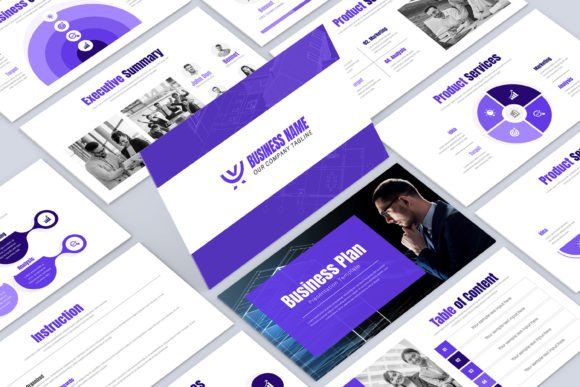
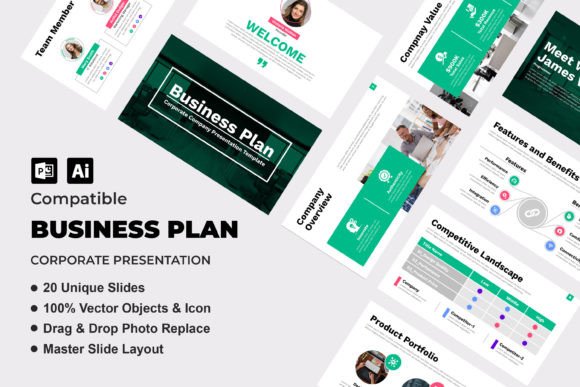
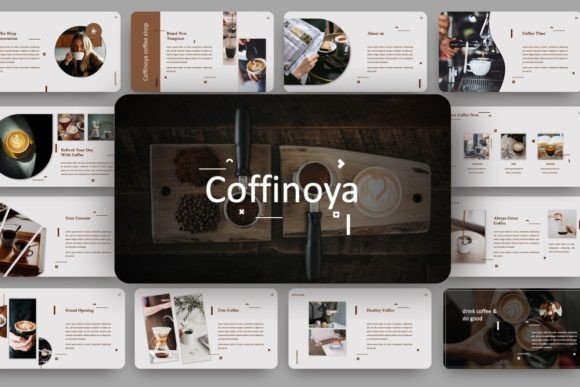
Minimalist Presentation Design is a clean, uncluttered approach to creating presentations that focus on essential elements, ensuring clarity and impact. This design philosophy strips away unnecessary details, leaving only the most vital information and visuals. The result is a presentation that is not just visually appealing but also highly effective in conveying your message.
Why Minimalist Presentation Design is Strategically Useful
Minimalist Presentation Design supports strategic goals by enhancing focus and comprehension. In a world saturated with information, a minimalist approach helps cut through the noise, making your key points stand out. This is particularly useful in business settings where decisions are often made based on the clarity and persuasiveness of the presented information.
Supporting Goals and Planning
When planning a presentation, minimalism can help you align with your strategic objectives. By focusing on the core message, you ensure that every element serves a purpose. This streamlined approach not only makes the creation process more efficient but also ensures that the audience remains engaged and focused on the key takeaways.
Enhancing Branding and Customer Experience
A consistent and clean design reinforces your brand identity. Minimalist designs are often associated with professionalism and modernity, which can positively influence how your audience perceives your brand. Additionally, a well-structured, easy-to-understand presentation enhances the customer experience, making it more likely that they will remember and act on the information presented.
Practical Examples and Planning Tips
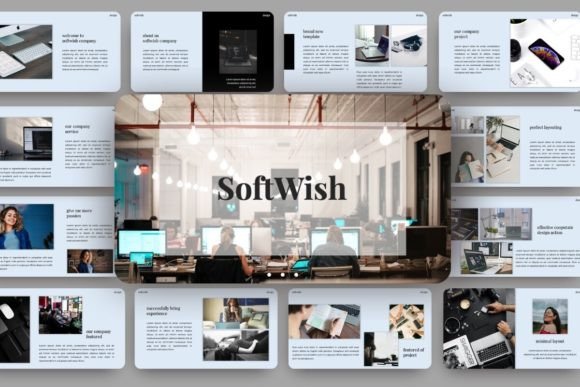
Consider a sales pitch. Instead of overwhelming the client with dense text and multiple charts, a minimalist approach might use a single, impactful image and a few key data points. This not only makes the presentation more digestible but also more memorable.
- Use High-Quality Imagery: Choose images that are clear, relevant, and high-resolution. Avoid cluttered or low-quality visuals.
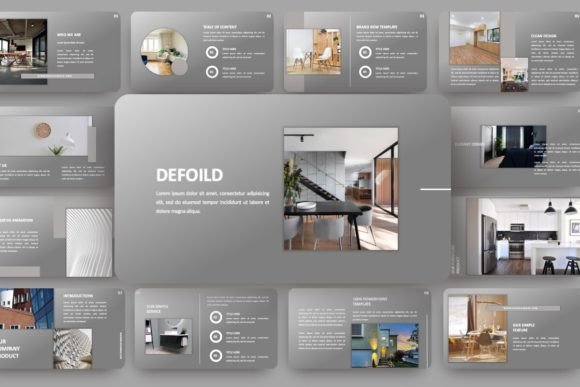
- Leverage White Space: Use white space effectively to create a balanced and uncluttered layout. This helps in directing the viewer's attention to the most important elements.
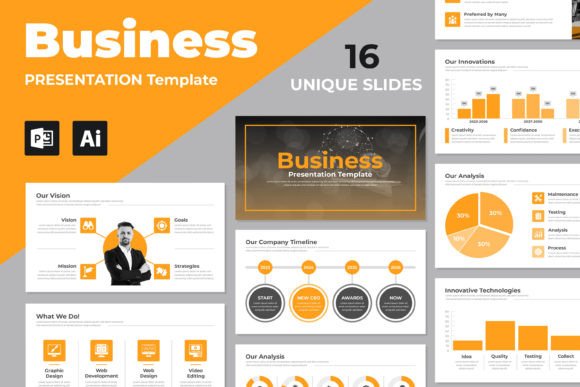
- Focus on Key Data: Present only the most critical data. Use infographics and simple charts to make complex information easily understandable.
- Consistent Typography: Use a limited number of fonts and maintain consistency in font sizes and styles. This enhances readability and professionalism.
Strategic Observations and Decision-Making Guidance
Deciding to adopt a minimalist design should be a deliberate choice, aligned with your specific goals and the context of the presentation. For instance, if the goal is to educate, a minimalist design can help in breaking down complex concepts into digestible parts. If the goal is to persuade, a clean and focused design can make your argument more compelling.
What to Consider Before Relying on Minimalist Presentation Design
While minimalist design offers many benefits, it is not a one-size-fits-all solution. Consider the following before implementing it:
- Understand Your Audience: Know what your audience values and how they prefer to receive information. Minimalism may not be suitable for all audiences, especially those who expect detailed, comprehensive presentations.
- Balance Simplicity and Detail: Ensure that the simplicity does not come at the cost of necessary detail. Striking the right balance is crucial to maintaining the effectiveness of the presentation.
- Test and Iterate: Pilot your minimalist design with a small group and gather feedback. Use this feedback to refine and improve the presentation.
Possible Risks and How to Mitigate Them
One risk of minimalist design is the potential to oversimplify, leading to a lack of depth or missing critical details. To mitigate this, always review your content to ensure that all key points are covered. Additionally, consider using supplementary materials, such as handouts or follow-up emails, to provide additional information.
Intentional Use of Minimalist Presentation Design
To use minimalist design intentionally, start with a clear understanding of your objectives and the needs of your audience. Develop a content strategy that prioritizes the most important information and supports it with clean, high-impact visuals. Regularly evaluate the effectiveness of your presentations and make adjustments as needed to ensure they continue to meet your strategic goals.
In conclusion, Minimalist Presentation Design is a powerful tool for effective communication. By focusing on essential elements and maintaining a clean, uncluttered design, you can create presentations that are both engaging and impactful. Whether for internal meetings, client pitches, or educational sessions, a thoughtful approach to minimalism can significantly enhance the clarity and persuasiveness of your message.