Mastering the Art of Pitch Deck Business Plans
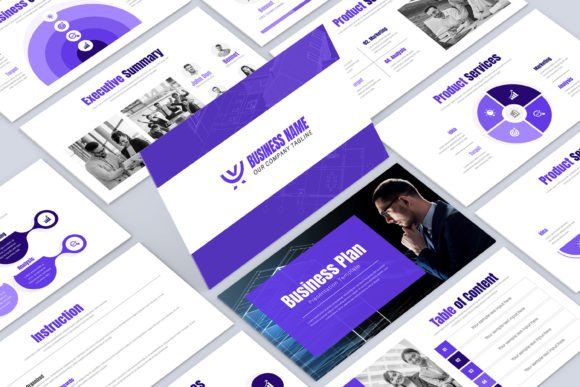
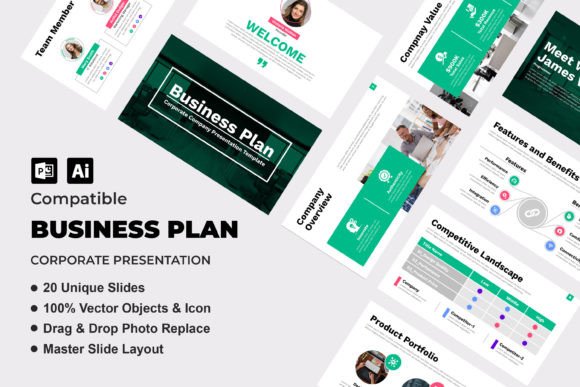
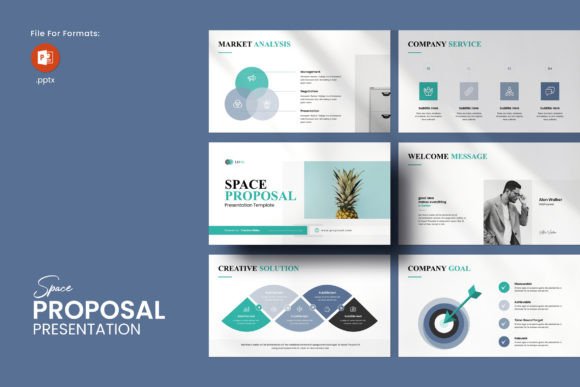
A Pitch Deck Business Plan Presentation is a powerful tool for entrepreneurs and business leaders to communicate their vision, strategy, and value proposition. It's not just about presenting data; it's about telling a compelling story that resonates with your audience. This guide will help you create an effective and visually appealing pitch deck that stands out.
Understanding the Core Elements
Every successful pitch deck starts with a clear structure. Here are the essential components:
- Cover Slide: Make a strong first impression with your company name and a captivating visual.
- Agenda: Outline the key topics to be covered, setting expectations for the audience.
- Market Analysis: Provide insights into the market size, trends, and competition.
- Products or Services: Highlight what you offer, emphasizing unique features and benefits.
- Target Market: Define your ideal customers and their needs.
- Marketing Strategy: Describe how you plan to reach and engage your target audience.
- Financial Projections: Present realistic financial forecasts and milestones.
- Summary and Call to Action: Conclude with a strong closing statement and a clear next step.
Designing for Impact
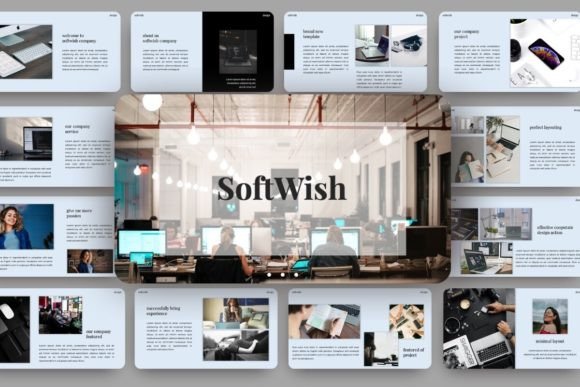
The design of your pitch deck is crucial. A clean, professional, and visually appealing layout can make all the difference. Here are some design tips:
- Consistent Branding: Use a consistent color scheme, font, and logo throughout the presentation.
- Readable Fonts: Choose fonts that are easy to read, even from a distance.
- Visuals and Infographics: Incorporate charts, graphs, and infographics to illustrate key points and data.
- Balance Text and Visuals: Each slide should have a good balance of text and visuals to keep the audience engaged.
Tailoring for Your Audience
Understanding your audience is key to creating a pitch deck that resonates. Tailor your content and style to meet their specific needs and interests:
- Investors: Focus on financial projections, market opportunity, and return on investment.
- Partners: Emphasize mutual benefits, strategic fit, and potential for collaboration.
- Customers: Highlight product features, benefits, and success stories.
Practical Tips for Success
Here are some practical tips to ensure your pitch deck is both inspiring and effective:
- Keep It Concise: Aim for 10-20 slides, each focusing on a single, clear message.
- Practice Your Delivery: Rehearse your presentation multiple times to ensure smooth delivery.
- Use High-Quality Images: Invest in professional images and graphics to enhance the visual appeal.
- Interactive Elements: Consider adding interactive elements like videos or live demos to engage the audience.
- Feedback and Iteration: Get feedback from peers and mentors, and refine your deck based on their input.
Incorporating Creative Elements
To make your pitch deck stand out, consider incorporating creative and innovative elements:
- Storytelling: Use a narrative to connect with your audience emotionally and make your message more memorable.
- Custom Graphics: Create custom illustrations or diagrams to explain complex concepts simply and effectively.
- Dynamic Animations: Add subtle animations to transitions and key points to keep the audience engaged.
- Personal Touches: Include personal anecdotes or testimonials to add authenticity and relatability.
Conclusion: Leaving a Lasting Impression
Your pitch deck is often the first impression you make on potential investors, partners, or customers. By combining a clear, well-structured presentation with creative and engaging design, you can create a powerful and memorable pitch deck. Remember, the goal is to not only present information but to inspire and persuade your audience. With these tips, you'll be well on your way to crafting a pitch deck that makes a lasting impact.